Technology, Heart Mother Board: A Practical Guide to Digital Art Assets and Creative Applications
In the evolving landscape of digital design, the intersection of organic emotion and mechanical precision offers a unique aesthetic niche. The concept of a Technology, Heart Mother Board represents more than just a graphic; it is a visual metaphor for the fusion of human feeling with modern innovation. For designers, crafters, and content creators, understanding how to effectively utilize this specific imagery can elevate projects ranging from corporate branding to personal handmade crafts. This article explores the practical applications, technical specifications, and strategic considerations when incorporating these digital assets into your creative workflow.
Understanding the Aesthetic and Symbolism
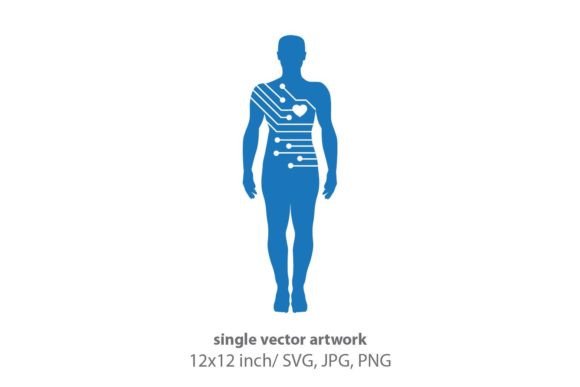
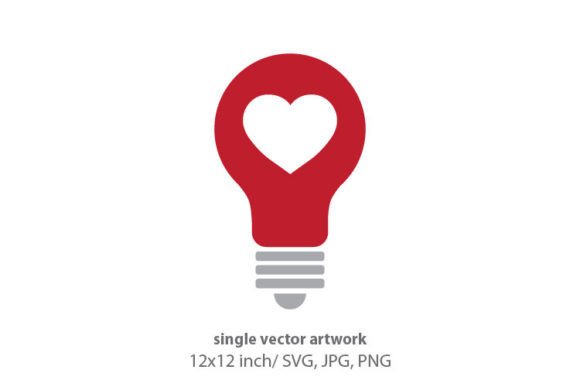
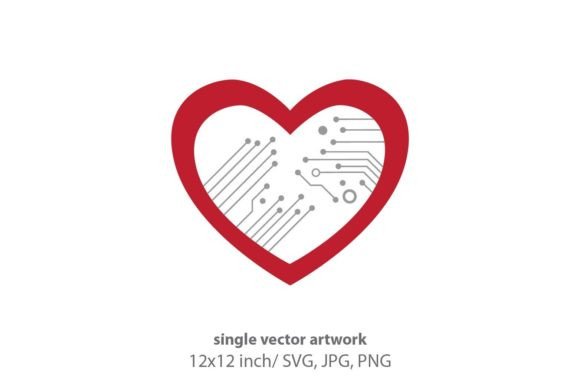
The Technology, Heart Mother Board motif typically features a heart shape constructed from or integrated with circuit board patterns, microchips, and conductive pathways. This design choice is distinct because it bridges two seemingly opposing worlds: the cold, logical nature of technology and the warm, visceral symbolism of the heart. When evaluating digital graphics for purchase or creation, it is essential to recognize that this style appeals to audiences interested in tech-forward themes, cybersecurity, medical technology, or modern romance.
Unlike generic heart clipart, which may rely on soft curves and pastel colors, this style demands precision. The lines are sharp, the details are intricate, and the composition often requires a high level of clarity to ensure the circuitry remains visible at various sizes. This distinction makes it particularly suitable for industries that want to convey reliability, intelligence, and connectivity simultaneously.
Technical Specifications and File Formats
When sourcing or creating these assets, the technical foundation is as important as the visual appeal. High-quality digital graphics elements are typically produced in vector programs such as Adobe Illustrator. This origin ensures that the core design is scalable without loss of quality, a critical factor for professional use.
Standard deliverables for these assets usually include an artboard size of 12 x 12 inches with a resolution of 300 DPI in the RGB color palette. Understanding the implications of these specifications is vital for successful implementation:
- Vector (SVG): The Scalable Vector Graphics format is ideal for web design, logo creation, and any application where the image needs to be resized frequently. Because it is mathematically defined rather than pixel-based, it remains crisp whether displayed on a smartphone screen or a large billboard.
- Raster (JPG and PNG): These formats are necessary for printed materials and platforms that do not support vector files. A 300 DPI resolution ensures that when printed on paper, fabric, or other physical media, the image retains its sharpness and detail. The RGB color palette is optimized for digital screens, though designers should be aware of color shifts if converting to CMYK for professional printing.
Having access to all three formats—SVG, JPG, and PNG—provides maximum flexibility. It allows creators to switch seamlessly between digital and physical projects without needing to convert files manually, which can often degrade quality.
Comparing Use Cases: Digital vs. Physical Applications
One of the primary decisions creators face is determining whether their project leans more towards digital dissemination or physical production. The Technology, Heart Mother Board graphic serves both realms, but the approach differs significantly.
Digital and Web Design
In the digital sphere, these graphics are powerful tools for graphic and web design. They are frequently used in hero images for tech startups, icons for software applications, or backgrounds for cybersecurity blogs. The SVG format is preferred here due to its small file size and scalability. For instance, a web developer might use the heart motherboard icon as a favicon or a loading animation element, leveraging the clean lines to maintain performance speed while delivering a strong visual identity.
Furthermore, these elements are effective in logo design for companies operating in the health-tech or ed-tech sectors. The combination of the heart and circuit board communicates care through technology, a message that resonates with modern consumers who value both innovation and empathy.
Physical Crafts and Print Media
Conversely, the same asset can be transformed into tangible items. When using the JPG or PNG files for printed paper items, such as invitations, announcements, or handmade cards, the 300 DPI resolution becomes non-negotiable. Lower resolutions would result in pixelation, undermining the professional look of the final product.
Crafters often utilize these designs for wall art, party decor, and even jewelry. For example, a crafter might print the design on high-quality cardstock to create unique wedding invitations for a couple who met online or works in the tech industry. Alternatively, the image could be sublimated onto mugs, t-shirts, or tote bags, serving as stationery or gift items. The versatility of the design allows it to transition from a serious corporate emblem to a playful piece of handmade craft depending on the materials and context used.
Evaluating Alternatives and Design Styles
While the Technology, Heart Mother Board is a compelling choice, it is not the only option for representing tech or love. Creators should consider alternative styles based on their specific audience and brand voice.
Minimalist Line Art: For brands seeking a softer, more understated look, minimalist line drawings of hearts or abstract tech symbols may be more appropriate. These lack the intricate detail of circuit boards but offer a cleaner, more modern aesthetic that works well in luxury or lifestyle contexts.
3D Rendered Graphics: Another alternative is the use of 3D rendered icons. These provide depth and realism, which can be striking for gaming or virtual reality projects. However, they are less versatile for simple print applications and often require more complex editing skills to integrate into flat designs.
Hand-Drawn Illustrations: For a more organic, artisanal feel, hand-drawn tech motifs might be preferable. These convey a sense of humanity and imperfection that contrasts with the precision of vector-based motherboard designs. They are ideal for educational materials aimed at children or brands emphasizing sustainability and natural processes.
The decision between these styles depends on the desired emotional response. The motherboard heart is bold, precise, and modern. If the goal is to convey cutting-edge capability mixed with passion, it is likely the superior choice. If the goal is warmth, simplicity, or whimsy, other styles may serve better.
Decision Factors for Creators and Buyers
When choosing to incorporate Technology, Heart Mother Board graphics into a project, several factors should guide the decision-making process:
- Target Audience: Does the audience appreciate technical aesthetics? Tech-savvy individuals, engineers, and gamers are likely to respond positively to circuit board imagery. General audiences might find it too niche unless contextualized properly.
- Medium Constraints: Consider the final output. If the design will be embroidered onto fabric, the intricate details of a motherboard may be lost. In such cases, simplifying the vector or choosing a bolder alternative is necessary. For digital screens, the detail is an asset.
- Brand Consistency: Ensure the graphic aligns with existing brand colors and tones. Since these files come in RGB, adjustments may be needed to match specific brand guidelines, especially if the brand uses specific Pantone colors for print.
- Licensing and Usage Rights: Always verify the licensing terms associated with digital downloads. While many assets allow for commercial use in graphic and web design, some may have restrictions on resale or mass production. Understanding these limits prevents legal issues down the line.
Practical Tips for Implementation
To maximize the impact of these digital graphics, consider layering them with complementary elements. For wall art, pairing the motherboard heart with metallic foils or neon lighting effects can enhance the technological theme. For stationery, using a clean, sans-serif font alongside the graphic maintains the modern aesthetic.
Additionally, do not hesitate to modify the vector files. Since they are created in Adobe Illustrator, users can adjust colors, remove specific circuit paths, or combine the heart with other icons to create a custom look. This customization capability is one of the strongest advantages of purchasing vector-based assets over static images.
In conclusion, the Technology, Heart Mother Board graphic is a versatile and meaningful asset for a wide range of creative projects. By understanding its technical requirements, comparing it with alternative styles, and aligning it with the right audience, creators can produce work that is both visually striking and emotionally resonant. Whether used for a high-tech logo or a heartfelt handmade card, this design element offers a unique way to express the connection between humanity and technology.