Strategic Integration of Technology and the Human Mother Board Concept in Modern Design
In the rapidly evolving landscape of digital creation, the intersection of biological metaphors and technological infrastructure offers a profound visual language for modern branding. The concept of the Human Mother Board serves as more than just a graphic element; it represents the seamless integration of human intuition with mechanical precision. When leveraged correctly, this thematic approach allows creators, entrepreneurs, and marketers to communicate complex ideas about connectivity, intelligence, and organic growth within digital systems. Understanding how to utilize these assets—specifically high-resolution vector files formatted for versatility—is essential for anyone looking to elevate their visual communication strategy.
Defining the Visual Metaphor
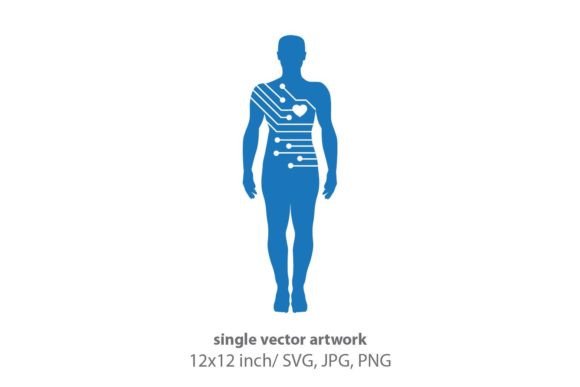
The term Technology, Human Mother Board refers to a design aesthetic that merges the intricate circuitry of computer hardware with the organic forms of human anatomy or consciousness. This juxtaposition is not merely artistic; it is strategic. It speaks to an audience that values both innovation and humanity. In a market saturated with cold, sterile tech imagery, introducing elements that suggest warmth, life, and organic connection can significantly differentiate a brand.
These digital graphics are typically created in professional vector programs like Adobe Illustrator, ensuring that every line and curve is mathematically precise. The availability of these assets in multiple formats—SVG, JPG, and PNG—along with a robust resolution of 300 DPI in the RGB color palette, makes them adaptable for a wide range of applications. Whether you are designing a logo for a biotech startup or creating wall art for a co-working space, the fidelity of the source file determines the quality of the final output.
Strategic Applications Across Industries
The utility of Technology, Human Mother Board clipart extends far beyond simple decoration. For decision-makers and creative professionals, these assets are tools for storytelling. Here is how different sectors can integrate these elements into their operational and creative workflows:
- Brand Identity and Logo Design: For companies operating at the nexus of health and technology, such as med-tech firms or AI-driven wellness platforms, these vectors provide a foundational visual identity. The SVG format is particularly valuable here, allowing designers to scale the logo from a favicon to a billboard without losing clarity.
- Corporate Communication and Stationery: Business cards, letterheads, and invitations benefit from the subtle sophistication of vector art. Using these elements in stationery design signals attention to detail and a forward-thinking mindset. It transforms mundane administrative items into tangible brand touchpoints.
- Digital Marketing and Web Design: In web design, lightweight SVG files ensure fast loading times while maintaining crisp visuals on high-density screens. Incorporating Human Mother Board motifs in hero sections or background patterns can guide user attention and reinforce the narrative of human-centric technology.
- Physical Product Creation: Entrepreneurs creating handmade craft items, jewelry, or printed paper goods can leverage the 300 DPI JPG and PNG files for high-quality printing. This allows for the production of premium announcements, party decor, and custom packaging that resonates with a tech-savvy yet aesthetically conscious consumer base.
Technical Considerations for Optimal Results
To achieve professional results, one must understand the technical specifications of the assets. The files are made in a vector program, specifically Adobe Illustrator, which means they are built on paths rather than pixels. This distinction is critical for long-term usability.
Resolution and Color Palette: The standard 300 DPI resolution ensures that when these images are rasterized for print (such as in JPG or PNG formats), they remain sharp and free of pixelation. The RGB color palette is optimized for digital displays, offering a vibrant spectrum that captures the neon and metallic tones often associated with technology themes. However, if your goal involves offset printing, you may need to convert these colors to CMYK, a step that requires careful calibration to maintain visual integrity.
File Format Selection:
- SVG (Scalable Vector Graphics): Ideal for web development and logo design. It allows for code-based manipulation, such as changing colors via CSS, which is invaluable for responsive design.
- PNG (Portable Network Graphics): Best for digital overlays and presentations where transparency is required. The high resolution ensures clarity in slide decks and social media graphics.
- JPG (Joint Photographic Experts Group): Suitable for photographic composites and large-format printing where file size management is necessary, though it lacks transparency support.
Risks of Unintentional Usage
While the Technology, Human Mother Board aesthetic is powerful, it carries risks if used without clear strategic intent. One common pitfall is the "gimmick" effect, where complex circuitry is overlaid on human figures without a coherent message. This can confuse the audience, diluting the brand's core value proposition.
Another risk is visual clutter. High-detail vector art can overwhelm a design if not balanced with adequate white space. For educators and publishers, using these elements in textbooks or instructional materials requires restraint. The graphics should support the content, not distract from it. Without a clear goal, the use of such distinctive imagery can appear disjointed, suggesting a lack of focus rather than innovation.
Planning for Long-Term Value
Integrating these digital graphics into your broader business strategy requires planning. Consider the following steps to ensure intentional use:
Audit Your Brand Narrative: Before downloading or purchasing assets, ask whether the fusion of human and machine aligns with your brand story. Are you emphasizing efficiency, empathy, connectivity, or intelligence? The Human Mother Board concept works best when it reinforces a specific attribute of your service or product.
Develop a Style Guide: Establish rules for how these vectors are used. Define acceptable color modifications, minimum sizes, and placement guidelines. This consistency builds recognition and trust over time. For freelancers and agencies, providing clients with a mini-style guide alongside the delivered assets adds significant value and reduces revision cycles.
Test Across Mediums: Verify how the designs look on various surfaces. A vector that looks striking on a website might lose impact on textured paper or fabric. Prototyping your designs on actual materials—whether it’s a handmade card or a piece of jewelry—allows you to adjust contrast and scale before full-scale production.
Enhancing Creativity and Productivity
For creators and hobbyists, having access to pre-made, high-quality vector elements accelerates the design process. Instead of starting from scratch, you can deconstruct and reassemble components of the Technology, Human Mother Board files to create unique compositions. This modularity supports rapid prototyping, allowing for quicker iteration and feedback loops.
Moreover, these assets can serve as educational tools. Educators can use them to illustrate concepts in computer science or biology, making abstract ideas more tangible. By visually linking neural networks with circuit boards, teachers can facilitate deeper understanding and engagement among students.
Conclusion: Intentionality Drives Impact
The Technology, Human Mother Board graphic elements are more than just decorative files; they are strategic assets that, when used with purpose, can enhance branding, communication, and customer experience. By understanding the technical nuances of SVG, JPG, and PNG formats, and by aligning these visuals with clear business goals, professionals can create compelling narratives that resonate with modern audiences.
Success lies not in the complexity of the image, but in the clarity of its application. Whether you are designing a logo, crafting handmade items, or developing a web interface, let the intention behind the design drive your decisions. In doing so, you transform simple digital graphics into powerful instruments of connection and influence.