Unlocking the Power of Planet Outline Clipart SVG for Modern Digital Design
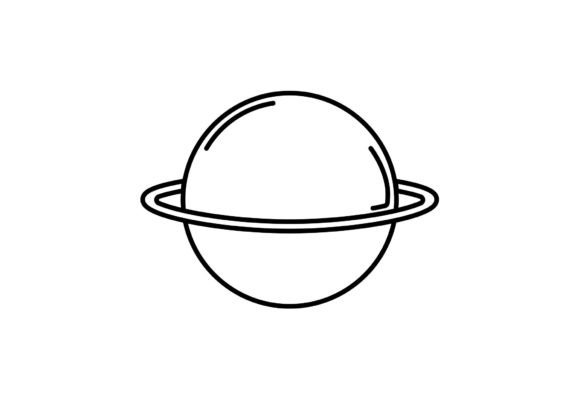
In the rapidly evolving landscape of digital design, the demand for versatile, high-quality visual assets has never been higher. Whether you are a seasoned graphic designer, a small business owner managing your own branding, or an educator creating engaging learning materials, the right icon can make a significant difference. Among the most sought-after assets today is the planet outline clipart SVG. This minimalist yet powerful graphic element serves as a cornerstone for aesthetic science vector symbols, offering a blend of simplicity and sophistication that fits seamlessly into various creative projects.
If you are looking for a minimalist planet icon design, you have likely encountered the challenge of finding an image that is both visually appealing and technically versatile. The solution often lies in understanding the utility of vector graphics and textured image overlays. This article explores why this specific type of artwork is ideal for Photoshop, web design, mobile applications, and print media, helping you build a broader understanding of how to leverage these digital tools effectively.
The Rise of Minimalism in Educational and Scientific Artwork
Minimalism is more than just a trend; it is a design philosophy that prioritizes clarity and functionality. In the context of education and science communication, cluttered visuals can distract from the core message. A simple education artwork image, such as a clean planet outline, allows the viewer to focus on the concept being presented—whether it is astronomy, environmental science, or global connectivity.
The aesthetic science vector symbol has become a staple in modern infographics and educational materials. By stripping away unnecessary details, designers create icons that are instantly recognizable and universally understood. This approach is particularly effective for mobile phones and web interfaces, where screen real estate is limited. A minimal icon ensures that the design remains legible and impactful, regardless of the device size.
Why Vector Formats Matter for Scalability
One of the most critical aspects of choosing the right clipart is understanding file formats. When we discuss Planet Outline Clipart SVG, we are referring to Scalable Vector Graphics. Unlike raster images (such as JPEGs or PNGs), which are made of pixels, vector files are composed of mathematical paths. This means they can be scaled up or down infinitely without losing quality.
This feature is invaluable for designers who need to use the same asset across multiple platforms. For instance, you might need a tiny icon for a mobile app button and a large version for a printed brochure. With a vector file, you can use the same source image for both, ensuring crisp lines and professional results every time. This versatility makes the planet outline an essential tool for anyone involved in graphic design for mobile phones or on the web.
Practical Applications Across Industries
The utility of a minimalist planet icon extends far beyond simple decoration. Its neutral yet evocative nature makes it suitable for a wide range of industries and applications. Let us explore some practical ways this textured image overlay can enhance your projects.
- Mobile Apps and User Interfaces: In app design, icons serve as navigational aids. A planet icon can represent settings, global options, or earth-related features. Its simple geometry ensures it remains clear even at small sizes.
- Websites and Social Media: For websites, especially those focused on sustainability, travel, or education, a planet outline can serve as a logo or a section divider. On social media accounts, it can be used in story highlights or post templates to maintain a cohesive brand aesthetic.
- Educational Materials: Teachers and content creators can use these icons in presentations, worksheets, and online courses. The clean lines make them easy to annotate or combine with text, enhancing the learning experience.
- Print Media: From catalogues to brochures, high-resolution prints require images that do not pixelate. The inclusion of high-DPI files ensures that your printed materials look professional and polished.
Bridging the Gap Between Digital and Print
A common misunderstanding among beginners is that digital-only files are sufficient for all purposes. However, print media has different requirements. This is why comprehensive digital packages often include multiple file types. For example, a standard package might include a 512x512px image at 300 dpi for printing on paper. This resolution ensures that when the image is printed, it retains its sharpness and detail.
The inclusion of formats like JPG, PNG, SVG, EPS, AI, and DXF in a single ZIP folder provides maximum flexibility. While SVG and EPS are ideal for vector editing in software like Adobe Illustrator, JPG and PNG are ready-to-use raster formats for quick insertion into documents or web pages. DXF files, often used in computer-aided design (CAD), allow for even more specialized applications, such as laser cutting or vinyl plotting.
Enhancing Creativity with Textured Image Overlays
While the base outline is minimalist, the potential for customization is endless. Many designers use these vector symbols as a foundation for more complex designs. By applying textured image overlays in Photoshop or other software, you can add depth, color, and personality to the simple shape. This technique allows you to maintain the clean structure of the original icon while adding unique visual elements that align with your brand identity.
For instance, you might overlay a watercolor texture to create a soft, artistic look for a children’s book cover. Alternatively, a metallic gradient could transform the planet icon into a sleek, modern logo for a tech startup. The key is to start with a high-quality base image that provides a solid structural foundation.
Common Misconceptions About Clipart Usage
Many people assume that using clipart limits creativity or results in generic designs. However, this view overlooks the strategic value of standardized icons. In user experience (UX) design, familiarity is crucial. Users recognize standard symbols quickly, which reduces cognitive load and improves usability. By using a well-designed planet outline, you are leveraging established visual language to communicate effectively.
Furthermore, the availability of editable vector files means that the clipart is merely a starting point. Designers can modify colors, adjust line weights, and combine elements to create something entirely unique. This balance between consistency and customization is what makes modern digital icon design elements so powerful.
How to Choose the Right Assets for Your Project
When selecting digital assets, consider the following factors to ensure they meet your needs:
- File Format Compatibility: Ensure the package includes formats compatible with your software. If you use Photoshop, PNG and JPG are essential. If you use Illustrator, SVG, EPS, and AI are crucial.
- Resolution and Quality: Check the DPI (dots per inch) for print readiness. A minimum of 300 dpi is recommended for high-quality printing.
- Licensing and Usage Rights: Always verify the licensing terms to ensure you can use the asset for your intended purpose, whether commercial or personal.
- Design Consistency: Look for assets that match the style of your existing brand. A minimalist planet icon should complement other icons in your set to maintain a cohesive look.
By paying attention to these details, you can avoid common pitfalls and ensure that your final design looks professional and polished. Visit our shop for more modern digital icon design elements to expand your creative toolkit. With the right resources, you can elevate your projects and communicate your message with clarity and impact.
In conclusion, the planet outline clipart SVG is more than just a simple image; it is a versatile tool that bridges the gap between aesthetics and functionality. Whether you are designing for mobile apps, websites, or print media, understanding how to utilize these assets can significantly enhance your creative workflow. By embracing minimalism and leveraging the power of vector graphics, you can create designs that are not only visually appealing but also highly effective in conveying your message.